
Wind Lines across the Peak
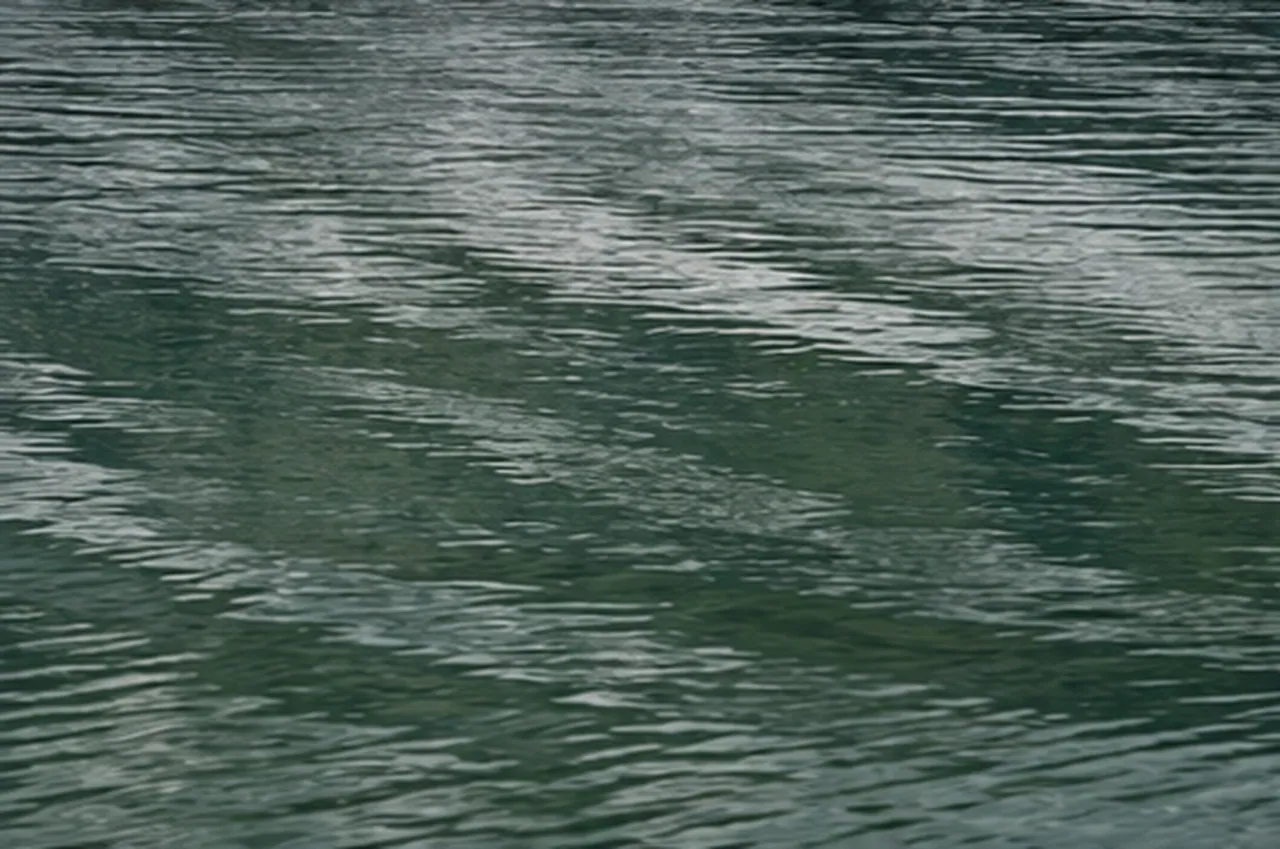
Put one pale ridge in a moving picture
The earliest view of the lake came from the end of a spit. A narrow triangle of white in the water appeared to match a larger triangle above. When we added wind, the white shape broke into lines that moved across the center at once. Even a person who remembered the first view could not always place the reflection afterward. The picture needed a steady shape visible beside the region where the wind mattered.
Retain one darker angle by the shore
The ripple reaches the center of the lake first in this particular scene. Water by the far bank remains quiet for a little longer. There a thin capture of a mountain shoulder appears below a dark part of the shore. When the larger shape breaks, that shoulder holds a piece of the older angle. Follow the still portion outward until it meets the first visible lines. It gives a way to connect the changing middle to a shoreline that stays in place.
Keep the lines from covering every surface
An early image used the same strong moving bands all the way to the pebbles. They made the lake look small because the foreground and distance had the same scale. We lowered their contrast around the bank and made the bands change more quickly nearer the camera. The middle has a wider stretch of movement. A foreground reflection still shows briefly at the start but dissolves as a close ripple covers it. The first clear clue is now easier to locate.
Match a notch above and below the horizon
A distant ridge has a slight break where the snow is white against a darker edge. Both versions of that shape stay visible for part of the watch. After the ripple, the reflected form becomes thinner and a dark wedge is visible beside it. Mountain in the Water asks the player to find the break in the ridge while both views are still available. During the next watch, the same break is held in memory while the water changes.
Approach the water from the low track
When you walk closer to the water, the dark angle above the reflection starts to disappear behind the nearest edge of the bank. The reflected break can remain visible in a low strip until a new ripple crosses. At that point an earlier reference taken from the ridge is useful. If you arrived at the low position without seeing the high one, you can return to a patch of pebbles by the spit and find the two angles together again.
Place a second reference opposite the windy area
The far bank has one short curve that extends into the lake. It points down through the reflection where the windy lines stop. In Where a Bank Starts to Curve a similar line helps compare the track below with the view from above. Find which part of our curve stays visible in the low watch. Keeping one contact with the shore can make the branch of the reflection easier to place after a pause.
Check by looking at a different moment first
We moved the camera change to a later part of the wind cycle in one trial. The person saw the lines move before seeing the clear reflection at all. A moment of calm at the shore gave enough information to discuss where the reflection should have been. The next time it became visible, the pale strip connected with that guess. That trial can tell us whether an older full reflection is necessary for a player to understand the narrow cue.
Keep the view at the head of the route
Notes from the Circuit links this record to a question about wind. The linked image retains the distant edge and the broken middle in the same picture. A route tests where a person looks after the weather changes. The small still detail belongs near the wide photo so someone can follow the same order of attention from both the beginning and the later step around the spit.